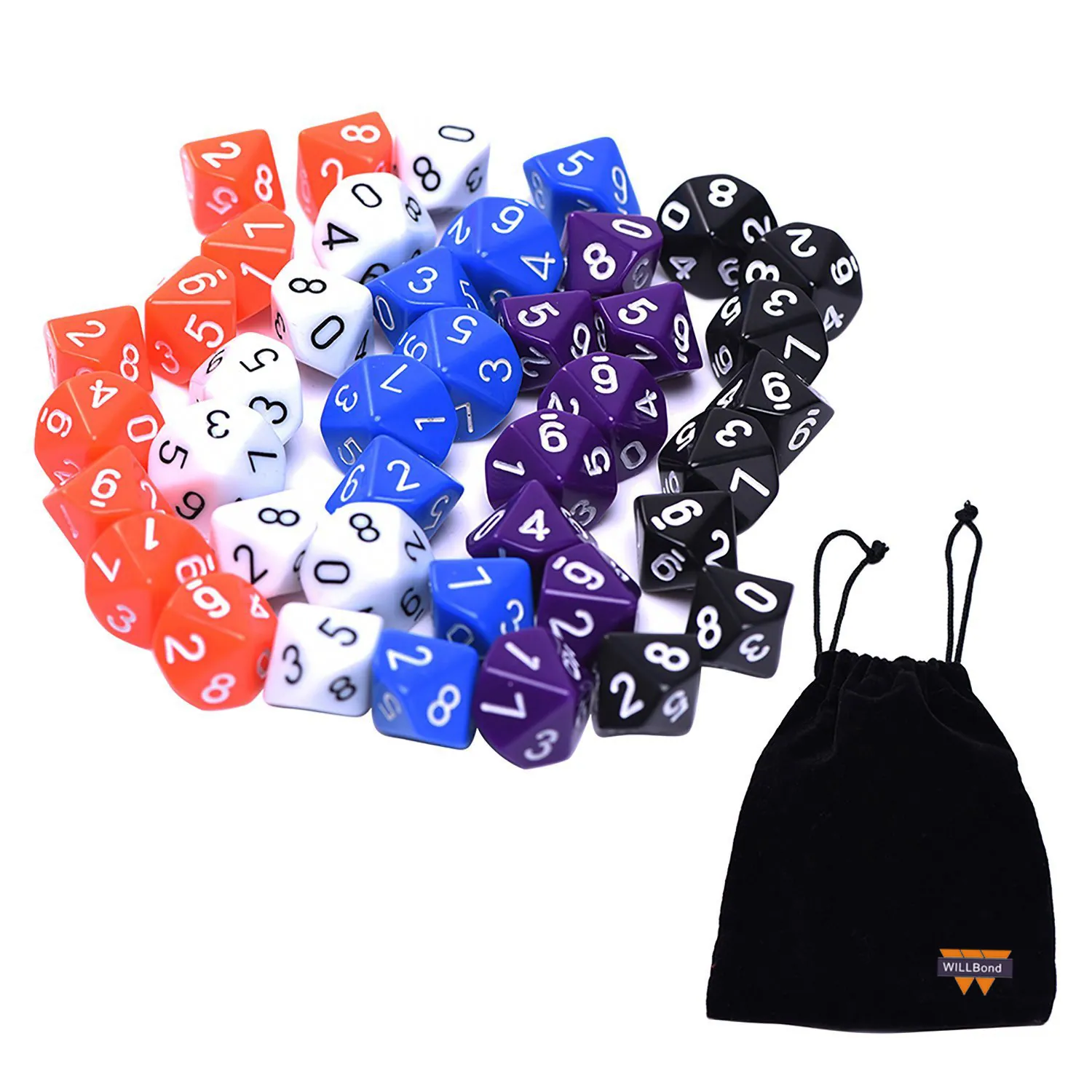
Nobody buys craft supplies for their own sake. You buy them because something has to be finished, usually by a date, and the pack either covers the job or it does not. This guide is about getting that call right the first time.
The two ways a pack goes wrong
A pack fails in one of two directions, and the two failures cost you differently.
Buy short and the project stops. You are eleven beads from the end of a garland, the shop has moved on to the next colour run, and the dye lot you can still get is half a shade off. The cost here is not the eleven beads. It is the evening, and sometimes the whole piece.
Buy long and you have a drawer. That is a real cost too, but a soft one: the surplus usually gets used, eventually, on something else. Most people learn this the hard way and start over-buying. That is how a craft cupboard ends up holding four hundred pipe cleaners and no glue.
The useful move is to buy long on purpose and by a known margin, rather than by nerves. Ten per cent covers breakage on wood and plastic. Fifteen covers a classroom. Anything you thread onto cord wants twenty, because threading is where pieces split.
The only sum that matters
Price per pack tells you almost nothing. Price per piece tells you nearly everything, and it takes one division to get it.
Take the count printed on the front, divide the price by it, and write the answer on the back of your hand. Do it for the two or three packs you are choosing between and the decision usually makes itself. The interesting part is how often the cheapest pack on the shelf is the most expensive per piece.
| Department | Packs on the shelf | Typical count | Lowest price | Per piece at that price |
|---|---|---|---|---|
| Hair & Styling | 481 | 12 pieces | $4.89 | $0.407 |
| Holiday & Seasonal | 510 | 12 pieces | $4.99 | $0.416 |
| Party & Celebration | 145 | 18 pieces | $4.99 | $0.277 |
| Beads & Wood Craft | 20 | 450 pieces | $6.99 | $0.016 |
| Craft & DIY Kits | 193 | 25 pieces | $3.99 | $0.160 |
| Sewing, Trim & Fabric | 271 | 12 pieces | $3.99 | $0.333 |
| Tools & Workshop | 39 | 5 pieces | $5.29 | $1.058 |
| Body & Foot Care | 22 | 30 pieces | $6.49 | $0.216 |
| Sport & Outdoor | 46 | 6 pieces | $6.02 | $1.003 |
| Home & Everyday | 301 | 9 pieces | $5.49 | $0.610 |
Two things fall out of that table. The first is that per-piece cost drops steeply with count and then flattens. Past a certain size you are paying for the bag rather than the contents. The second is that a department with a low pack price is not automatically the cheap one.
Worth a look
Packs where the count does the work
Three from the craft and beading shelves, chosen for the size of the count rather than the price on the front.
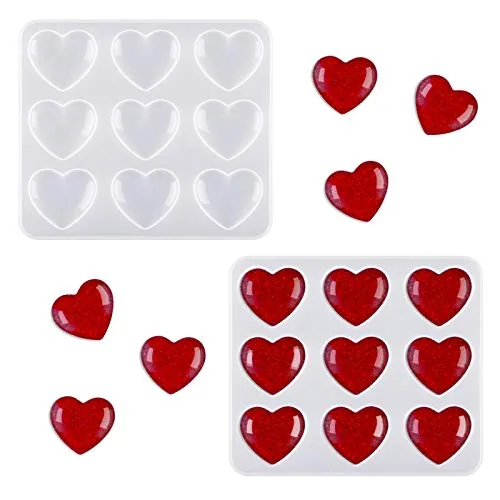
Heart Resin Silicone Mold,1 Piece

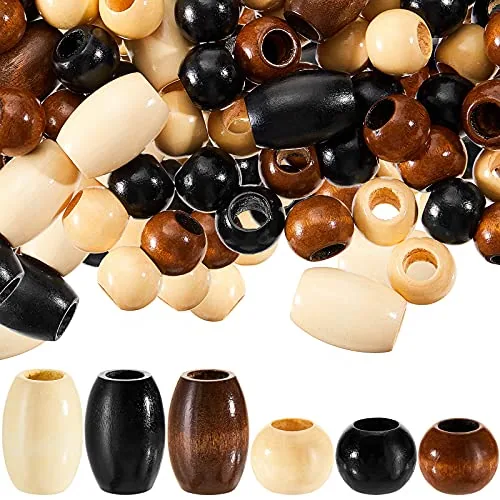
130 Pcs Macrame Wooden Beads 10mm Hole
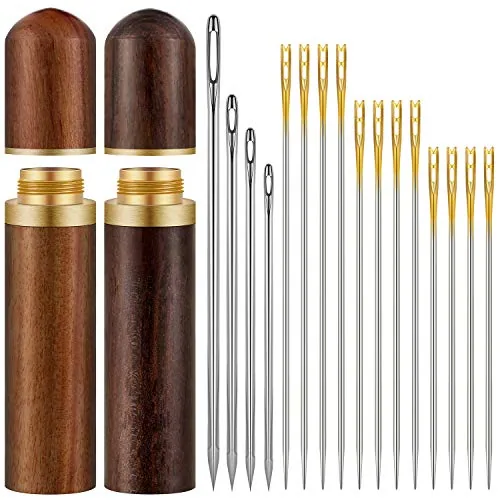
24 Pcs Self Threading Sewing Needles Sets Large Gauge Needle Hand Sewing
Six projects and the counts they take
These are the six jobs people write to us about most often. The counts come from building each one here, with the failures included.
| Project | What it takes | Buy this much | Why the margin |
|---|---|---|---|
| Bannister garland, 12 ft | About 220 beads at 10 mm plus cord | 260 | Threading splits a few, and the ends need slack |
| Door wreath, 14 in | 60 to 70 stems or picks | 90 | The back always looks thin until you overfill it |
| Party table for 40 | 40 picks, 40 rings, 6 centrepiece pieces | 50 / 50 / 9 | Ten per cent for breakage, and one spare centrepiece |
| Perm, shoulder length | 45 to 55 rods across three diameters | 60 mixed | Diameters run out unevenly, never together |
| Market stall, one weekend | 30 to 40 finished keyrings | 50 kits | You sell out or you do not, and either way you carry stock |
| Classroom of 28 | 28 of everything plus demonstration pieces | 35 | Two go missing on day one and one gets stood on |
How much extra, by material
Ten per cent is a starting point, not an answer. What you actually add depends on what the material does under your hands, and materials fail in ways you can predict once you have broken enough of them.
Wood splits at the hole. A birch bead with a 10 mm bore has a thin wall, and the wall is where the drill went through. Thread three hundred and you will lose two or three, more if the cord is stiff and you are pulling it through with pliers.
Wire and pipe cleaners do not break, they deform. You lose them to shape rather than to damage, which means a child working through a pack of four hundred will genuinely use four hundred and ask for more.
Adhesive-backed pieces fail differently again. Rhinestones and gem stickers are lost to the carpet, not to the project, and a carpet takes roughly one in twenty. Anyone who has worked on a rug knows this number is optimistic.
| Material | How it fails | Add | Note |
|---|---|---|---|
| Wooden beads | Splits at the bore while threading | 20% | Higher with stiff cord or a tight bore |
| Pipe cleaners and wire | Bends past the point of reuse | 10% | Children use every one, so buy for the session |
| Adhesive gems and stickers | Falls, then vanishes into carpet | 20% | One in twenty on a rug is a fair guess |
| Elastic and ribbon by the yard | Lost to cutting and to fraying ends | 1 yard flat | Cut long, seal the end, trim after |
| Perm rods and clips | Nothing breaks, the sizes run out | Buy by smallest size | The mix, not the total, is the count |
| Metal tools and clamps | Nothing fails in a normal job | 0% | Buy the count you need and no more |
Read the last row next to the first. Tools do not need a margin at all, and a brand that tells you to buy spares of a clamp is selling you a clamp. The margin belongs on the things that split, bend and disappear.
Mixed packs and the trap inside them
A mixed pack is the best value in this trade and the easiest place to get caught. Sixty rods in three diameters sounds like sixty rods. For the hairdresser it is twenty, and twenty is the number that runs out.
So read a mixed count as its smallest group, not its total. Then ask whether the mix matches the job. A bead assortment weighted towards 8 mm is wonderful for jewellery and useless for a garland that wants 16 mm on cotton cord.
We count every size in a mixed pack separately for exactly this reason, and we print the split rather than the total alone. It costs us a line on the label and saves you the trip.
A worked example: ninety place settings
A reader wrote last spring with a wedding of ninety and a fortnight to do it in. Napkin ring, cocktail pick, a small wooden favour at each place, and a run of garland down two long tables. It is a good example because every kind of counting error is available in one job.
Ninety guests is not ninety of anything. The top table gets a different setting, the children get no picks at all, and the caterer wants a spare place laid at each table. The real numbers were ninety-four rings, seventy-eight picks and ninety-six favours.
Then the margins. Rings are metal and survive, so ninety-four stayed ninety-four. Picks are bamboo and snap, so seventy-eight became ninety. Favours are wood on cord and split at the bore, so ninety-six became a hundred and fifteen.
The garland was the part that nearly went wrong. Two tables of eleven metres each is twenty-two metres, and a garland has to swag rather than lie flat if it is going to look like anything. Swag costs a third more length. Twenty-two metres of table wanted thirty metres of garland, and the first order was for twenty-four.
- Count the settings, not the guests. The top table, the children and the caterer all change the number.
- Apply the margin per material, not per order. Metal, bamboo and wood want different amounts.
- Anything that hangs needs a third more length than the thing it hangs along.
- Order the whole job in one go. A second order is a second dye lot.
The whole job came to four packs. Bought as singles from a craft aisle it would have been the same money three times over, and bought as unlabelled bulk it would have arrived by weight with nobody able to say whether ninety-six favours were in the bag.
Buying for a room full of children
Classroom buying has its own arithmetic, and the safety rules come first. Small parts are regulated in the United States, and the definition is physical rather than a matter of judgement.
“A small part is any object that fits, without compressing and in any orientation, entirely into the small parts cylinder”
That single sentence settles most classroom questions. If a piece passes into the cylinder, it is a small part, and it does not belong in a room with children under three no matter how good the craft is. For older groups it is a labelling and supervision question rather than a ban.
The counting rule for a class is simpler than the safety one. Buy for the register plus twenty per cent, keep the surplus in a labelled bag rather than the main tub, and never split a mixed pack across two tables. The second table always gets the leftovers of a colour nobody wanted.
The full version of the safety side, including what the labels are supposed to say and what the lead limit actually is, sits in our guide on small parts. The counts themselves come off the WillBond beads and wood craft shelf and the WillBond craft and DIY shelf.
What our own shelf looks like by the numbers
We can do this arithmetic in public because it is our own shelf. The numbers below are counted from the WillBond catalogue as it stands today, and they move with it.
The spread is wider than most people expect from a supplies brand, and it is deliberate. A department with two dozen packs is there because a job needs it, not because the shelf looked empty.
Counted per size
Mixed packs that print the split
Trim and styling packs where the count on the front is broken down by size rather than given as one number.
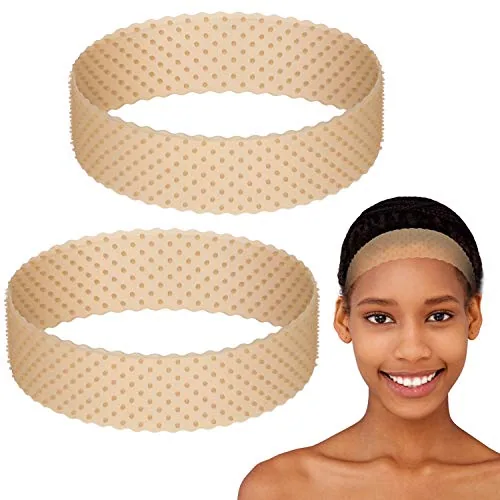
2 Pcs Silicone Wig Grip Band No Slip Elastic,M, Light Brown
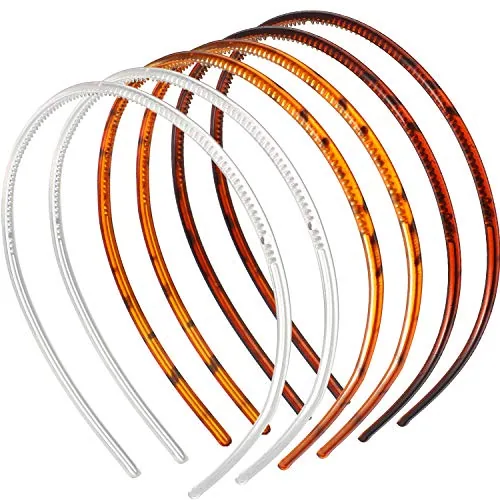
6 Plastic Thin Headbands
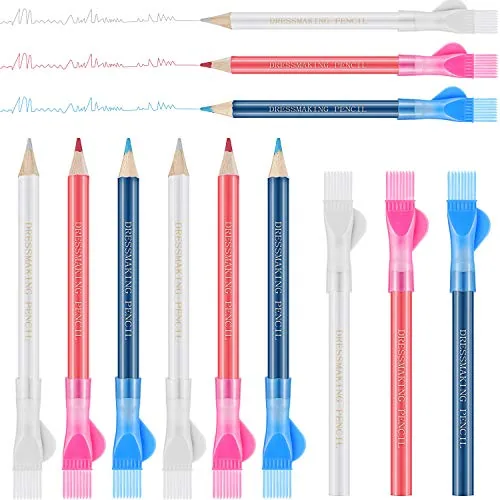
12 Pieces Sewing Fabric Pencils Water Soluble Pencil Tailor Mark Pencil
What to do with the drawer you already have
Most people reading this have a drawer. Ours is a shelf and it is worse. The surplus is not a mistake to feel bad about, it is stock, and stock has to be findable or it may as well be gone.
Sort by size rather than by project. Projects end and the leftovers stop meaning anything; a bag marked 10 mm birch is still useful in four years. Keep the original label in the bag even when the bag changes, because the count and the material are written on it and your memory is not.
Colour is the one thing worth hoarding deliberately. Dye lots drift between runs, and the surplus from an October run is the only exact match you will ever have for the piece you made in October. Keep the remainder of anything you might extend later.
Everything else can go to a school, a scout group or a care home craft afternoon, all of which take supplies gratefully and none of which mind a broken count. That is a better end for four hundred pipe cleaners than another year in a drawer.
Five rules we use ourselves
- Divide before you compare. Price per piece, every time, on the back of your hand.
- Read a mixed pack as its smallest group. The smallest group is what stops the job.
- Add ten per cent for breakage, twenty if it goes on cord, fifteen for a classroom.
- Buy the colour run once. A second bag bought in March will not match the one from October as closely as you want it to.
- For a single repair, buy a single. A counted pack is the wrong tool for two buttons, and we would rather say so.
None of this is complicated. It is just the arithmetic nobody does at the shelf, and the reason a project stalls eleven beads from the end.